What Is Design for Manufacturing (DFM)? Stage-Gate Checkpoints and Deliverables
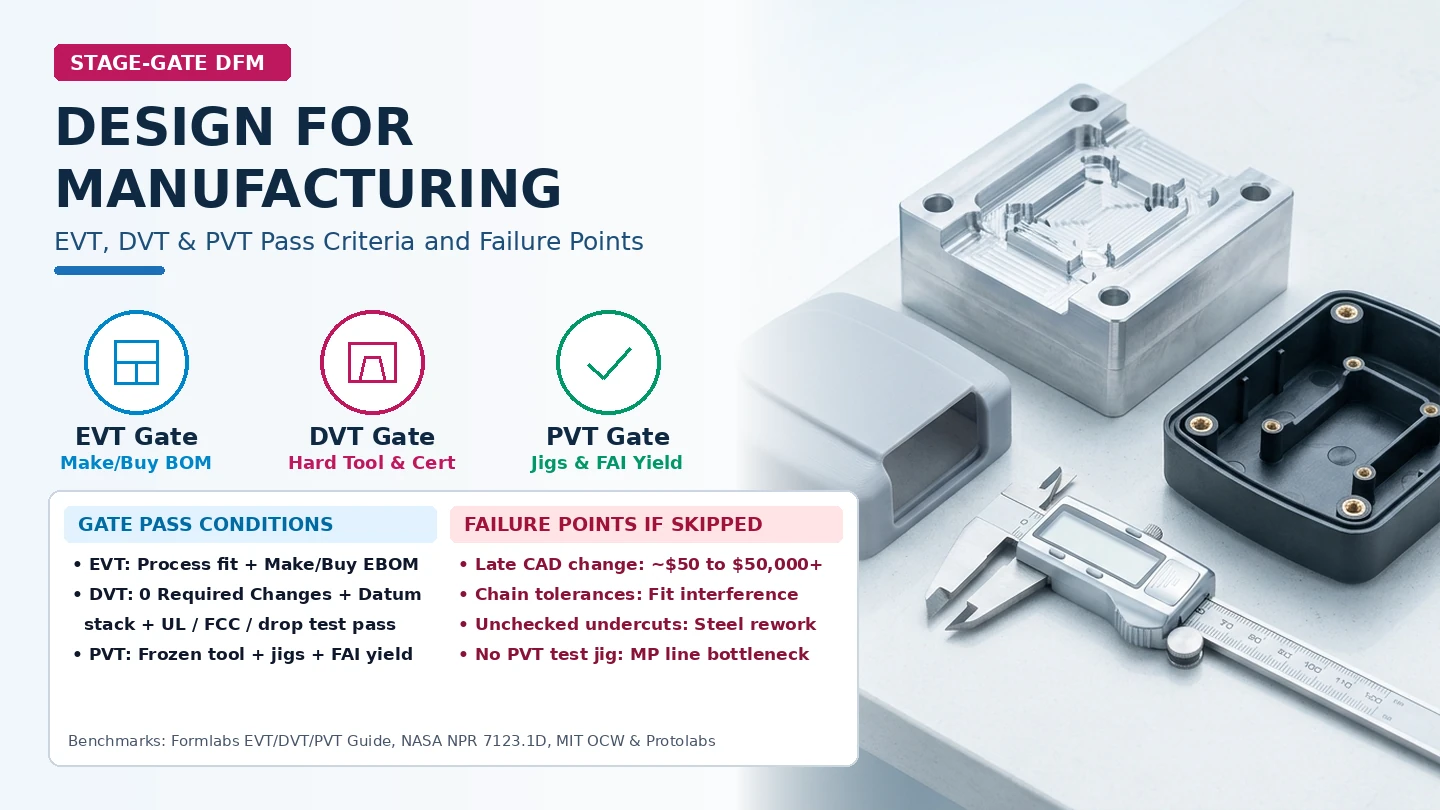
Learn what Design for Manufacturing (DFM) is, how the five DFM principles prevent hardware failures, and which deliverables govern EVT, DVT, and PVT stage gates.

Comprehensive guides on physical product engineering, rapid prototyping workflows, and manufacturing readiness.

Learn what Design for Manufacturing (DFM) is, how the five DFM principles prevent hardware failures, and which deliverables govern EVT, DVT, and PVT stage gates.

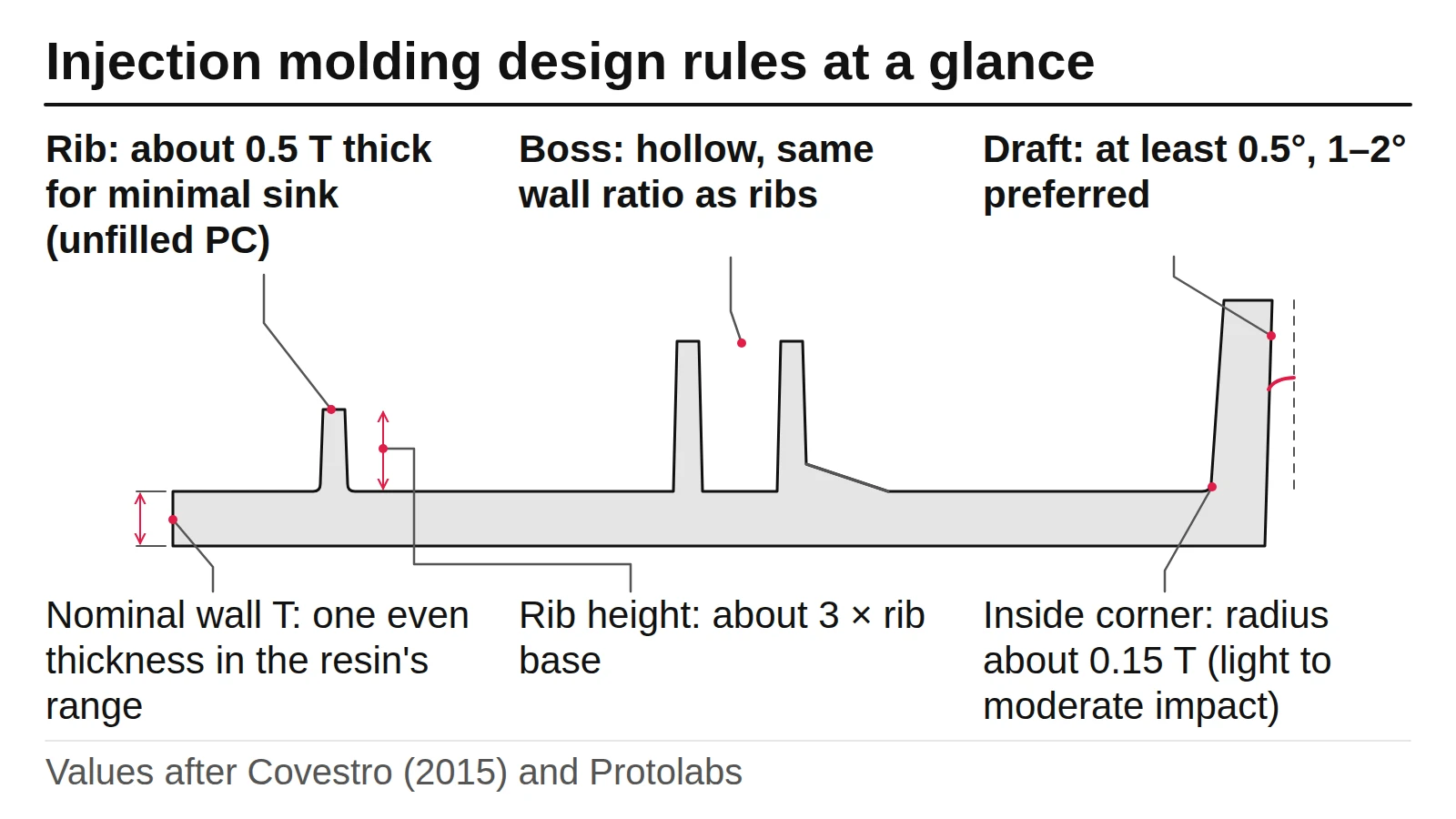
Quantitative injection moulding design guidelines covering polymer wall thickness and shrinkage, 0.40T-0.60T rib root ratios, volcano boss relief, and SPI/VDI 3400/Mold-Tech draft lookup tables.

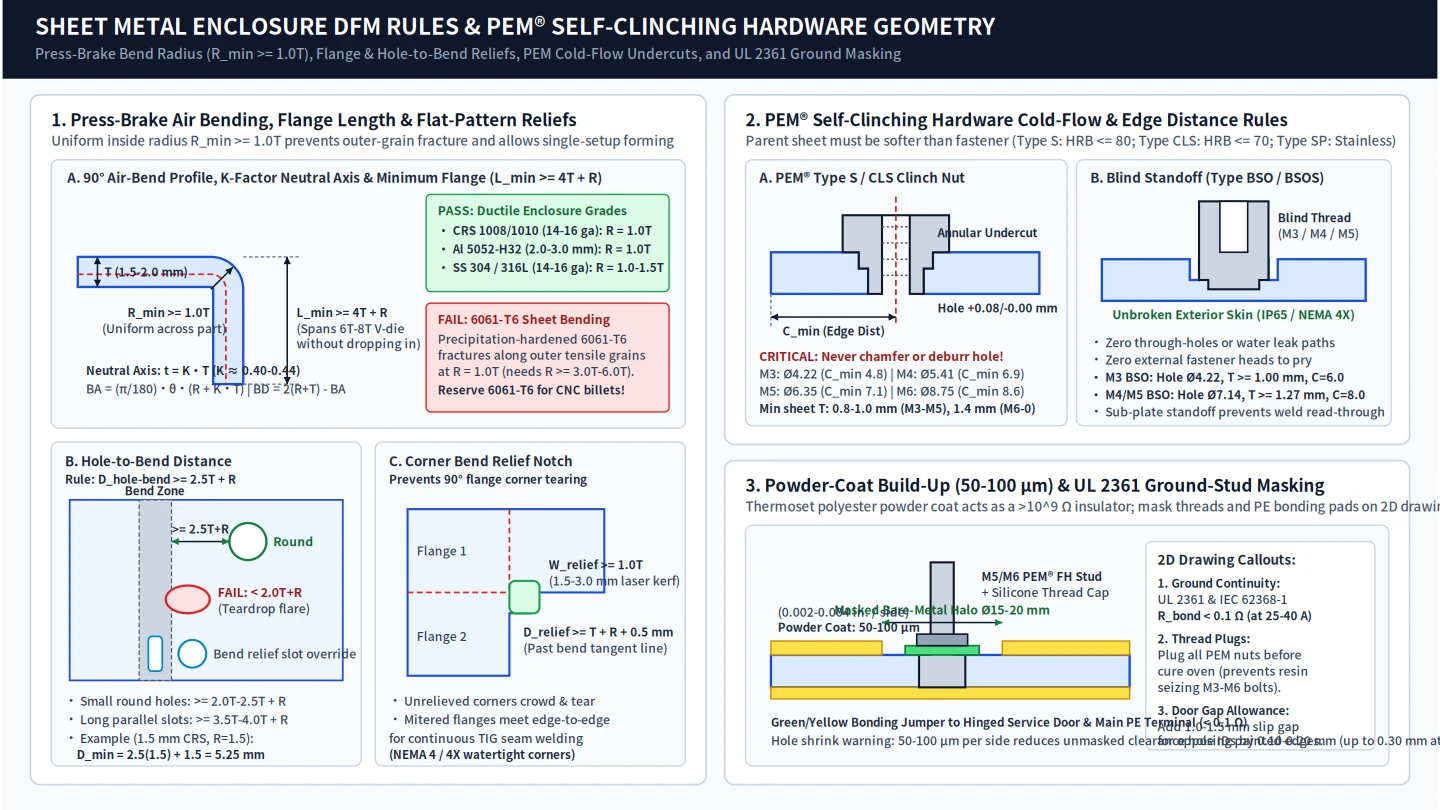
Engineering guide to kiosk enclosures covering 14-16 ga sheet metal bend reliefs, PEM hardware, derated CFM thermal chimneys, NEMA 4X/IK10 sealing, ADA 308 reach, and 3D printing vs CNC machining.

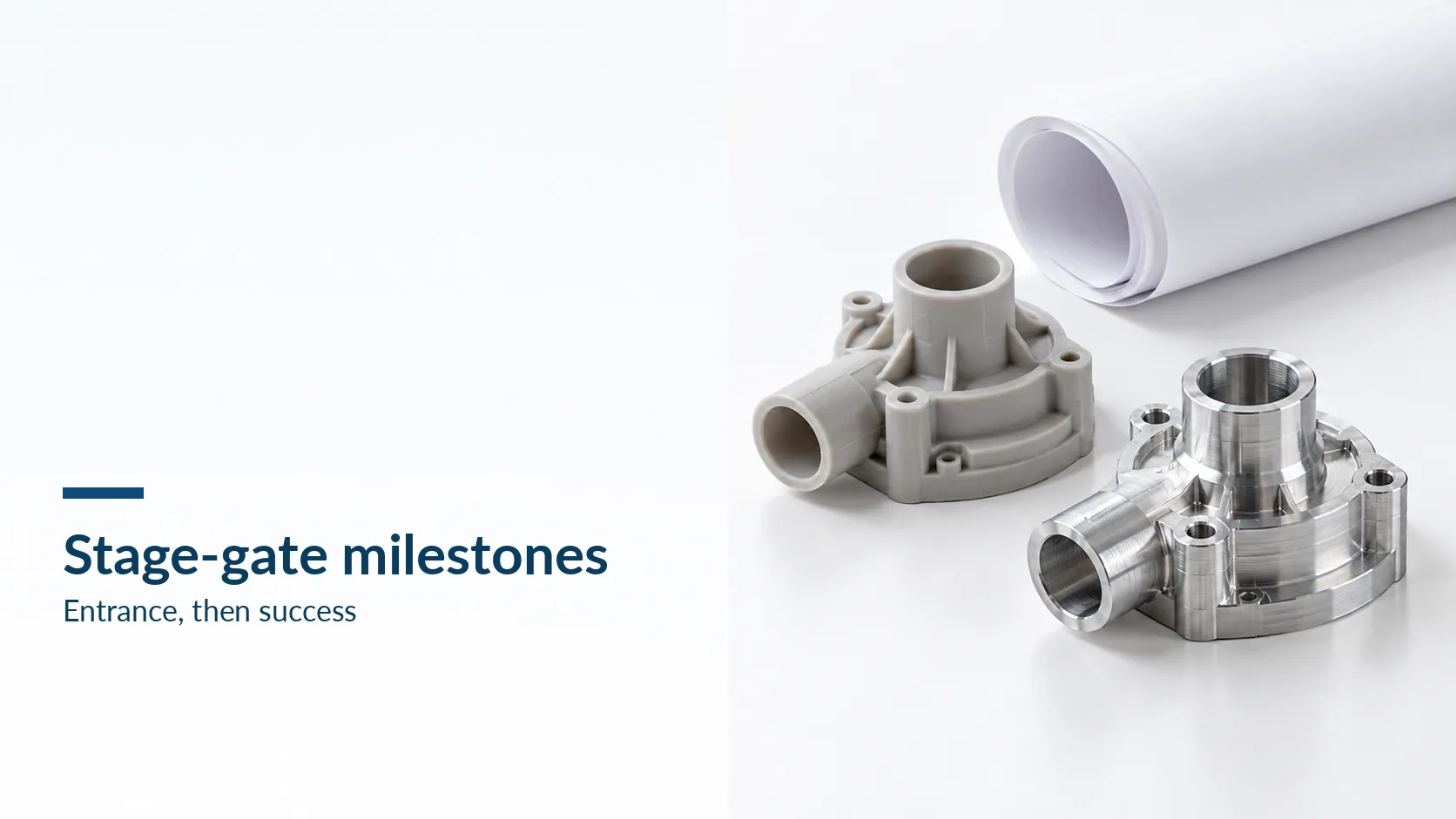
Set entrance and success criteria for a hardware project using Stage-Gate International's five stages and NASA's review structure, without guessing a prototype quota.

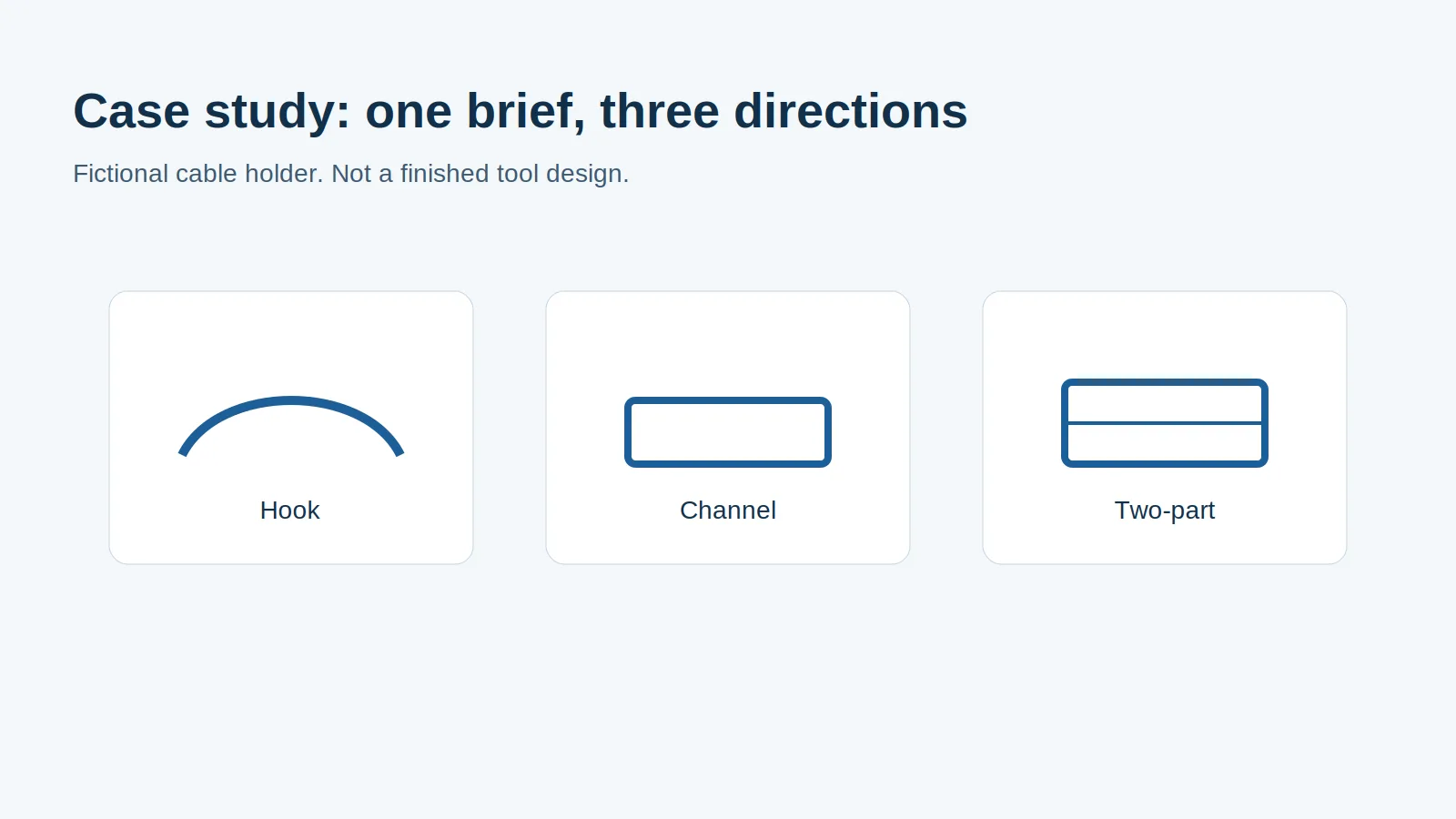
Sequence one industrial design portfolio case study through brief constraints, sketch alternatives, a foam model and an assembly detail with traceable evidence.

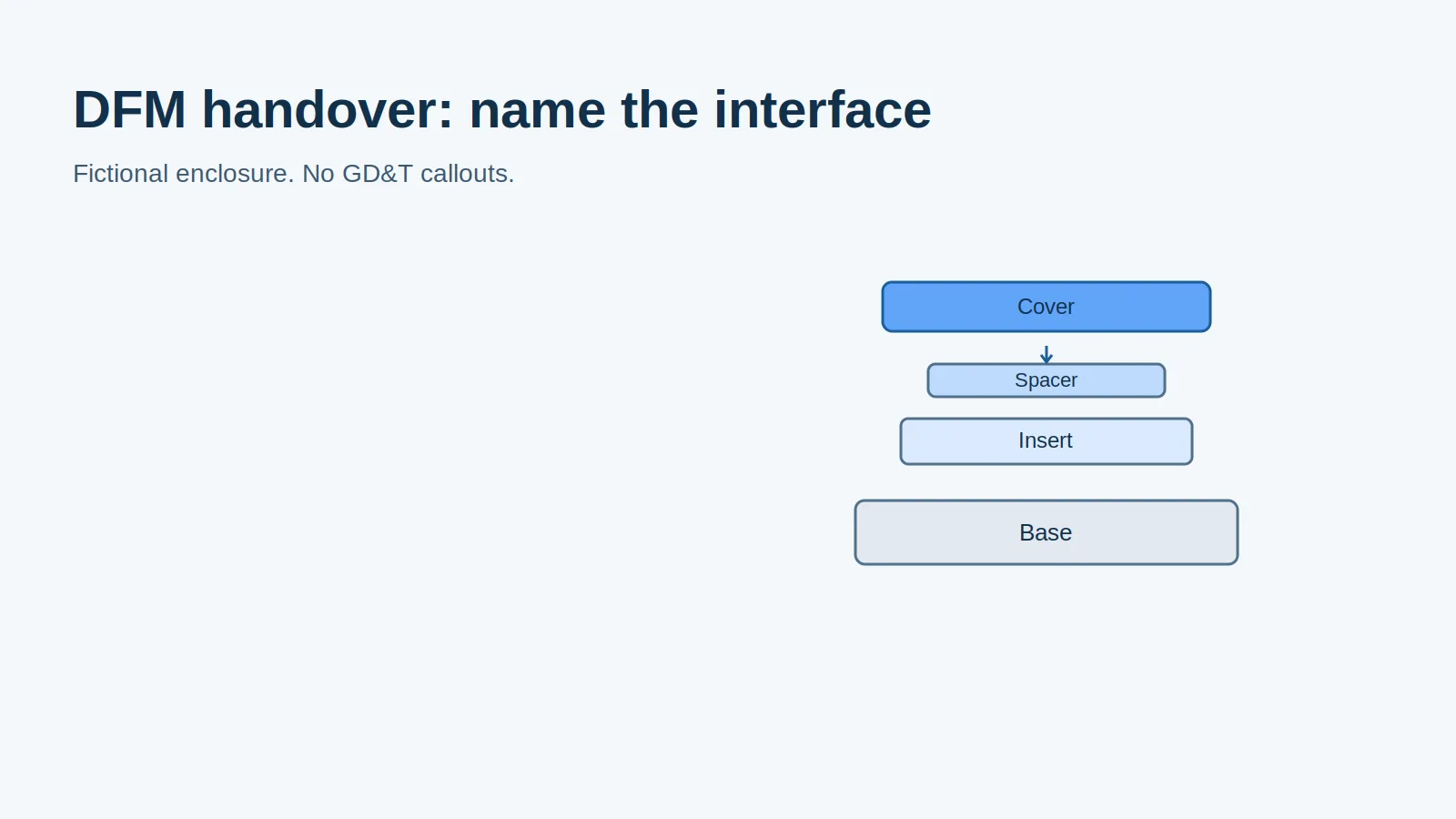
Practice mechanical design engineer handover skills with a worked clearance stack, a sourced draft check, and the decisions a manufacturer needs before tooling.

Learn what a manufacturing specification includes and audit your student hardware handoff package with a worked manifest that catches revision and material gaps.

Budget a physical prototype learning test with a blank worksheet for samples, setup, people and repeat work. Separate cash costs, borrowed resources and unknowns.

Plan a physical prototype test with a copyable worksheet for the build, task, setup, assistance, observations and next iteration. Includes a fictional desk example.

A fictional desk critique turns each comment into a question and the next check. Scores, ratings, and a winning concept stay blank.

A Pugh sheet marks each concept against a baseline. A weighted sheet multiplies a rating by a weight. This hardware exercise leaves both tables blank until a check exists.

Write a one-page product design brief before any user interviews. A desk-accessory starter shows how to tag observed notes, sources, assumptions and unknowns.

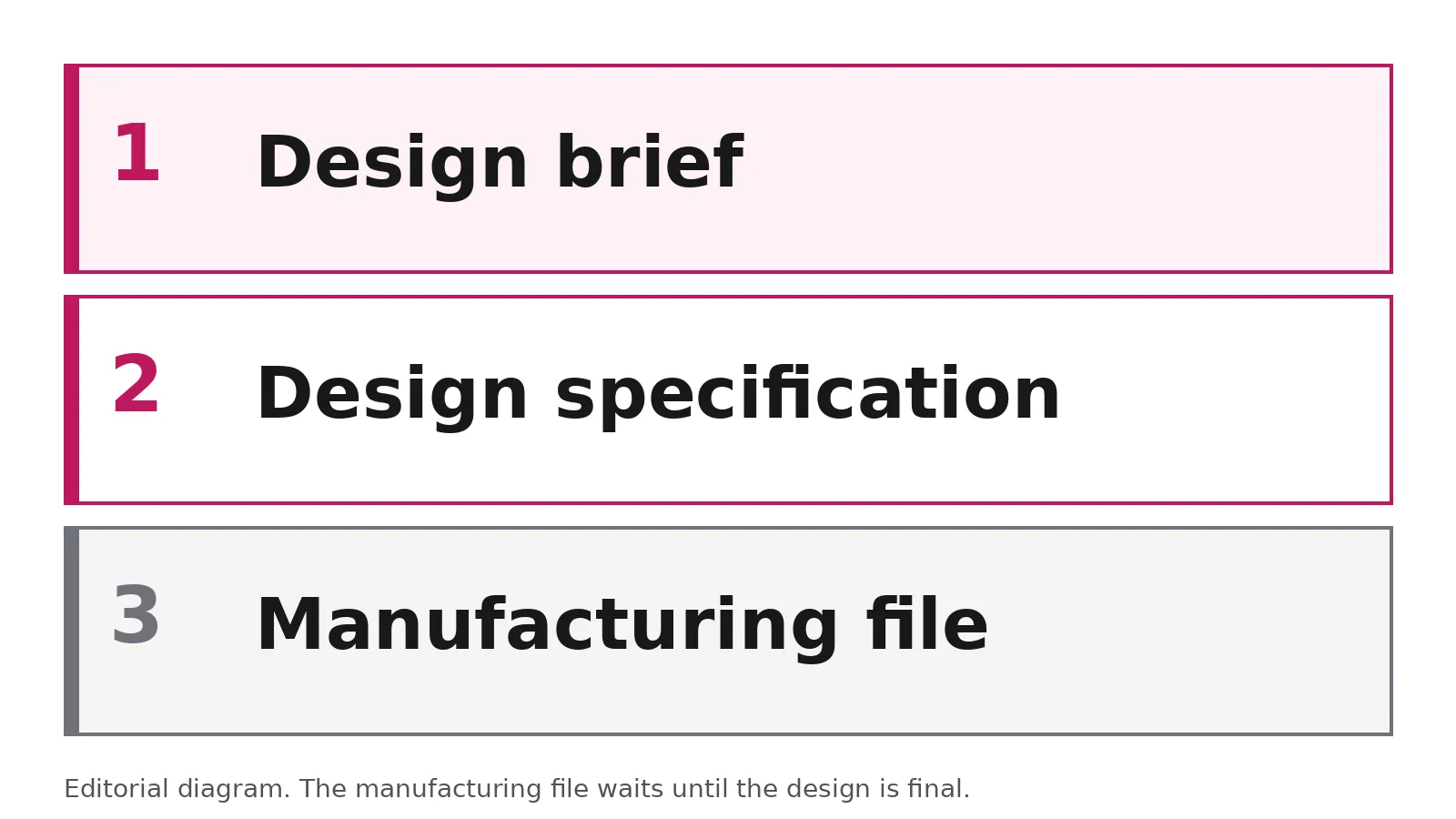
A design brief states the problem. A design specification lists testable criteria. This worksheet maps one desk-accessory need to a check, and leaves unmeasured limits as OPEN.

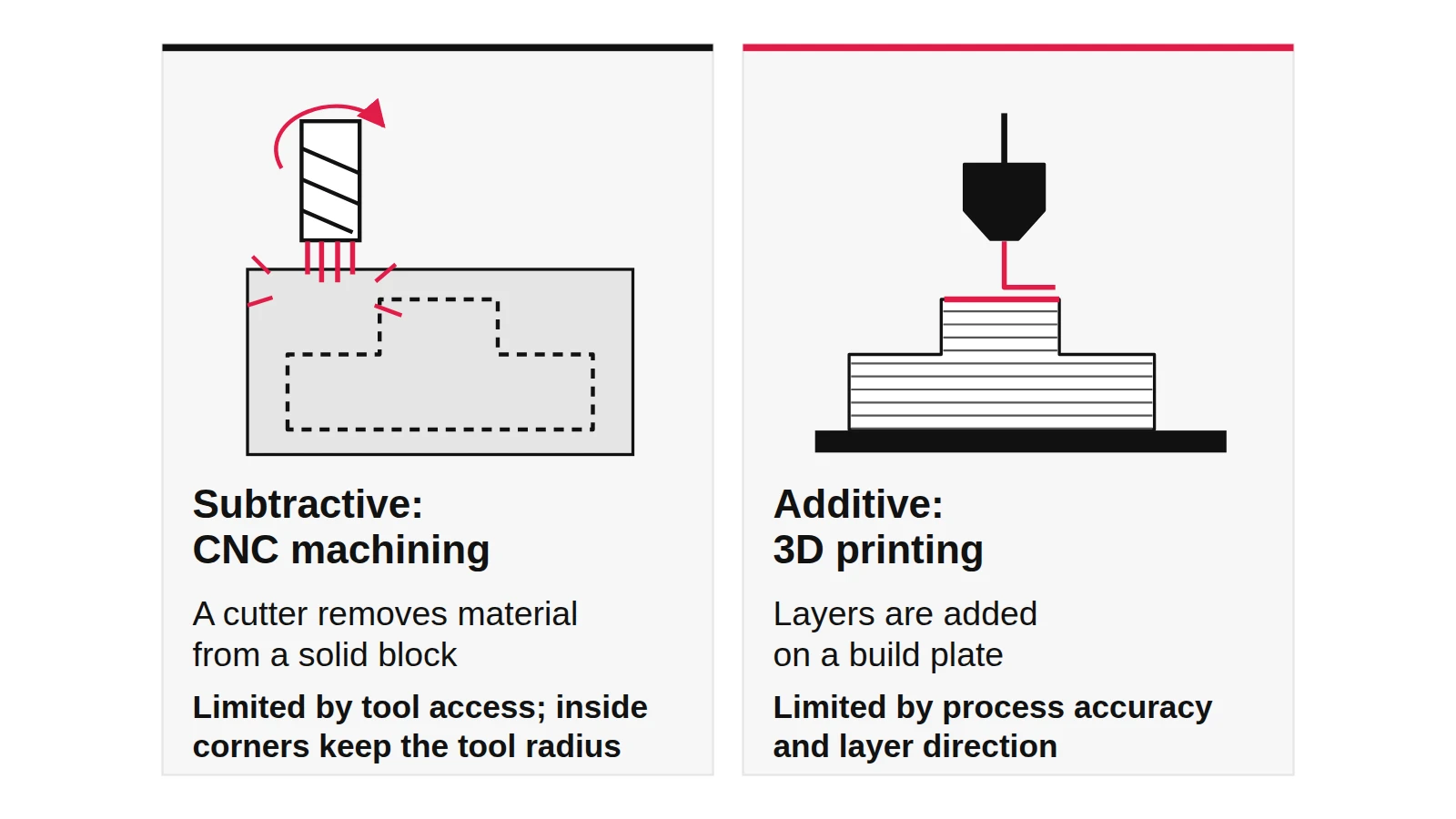
Compare 3D printing and CNC machining for prototypes by quantity, material, tolerance, geometry and iteration speed, with a stage-by-stage decision flow and enclosure examples.

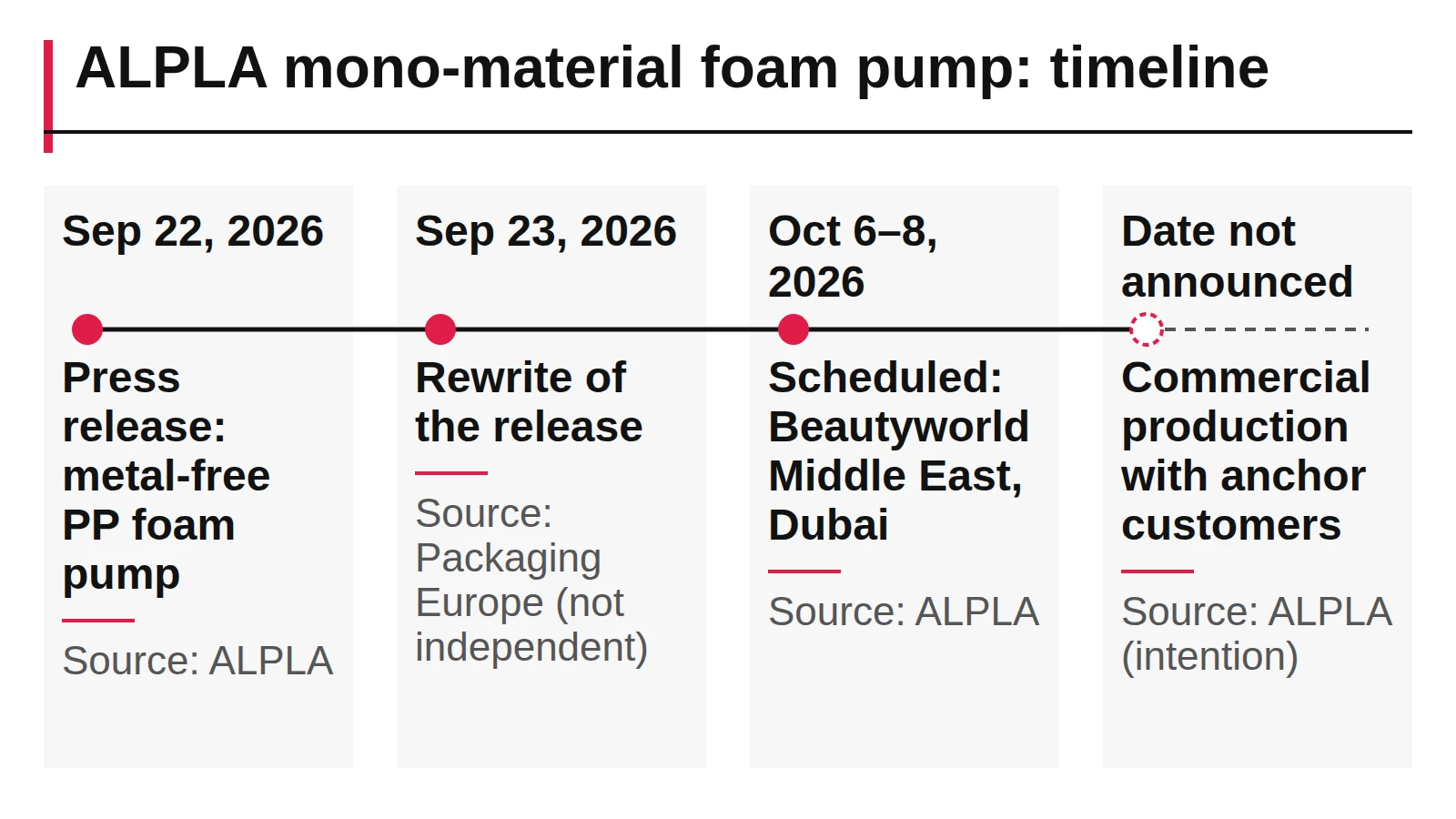
What ALPLA announced about its metal-free polypropylene foam pump, what a product designer can learn from it, and which claims still need checking before anyone relies on them.

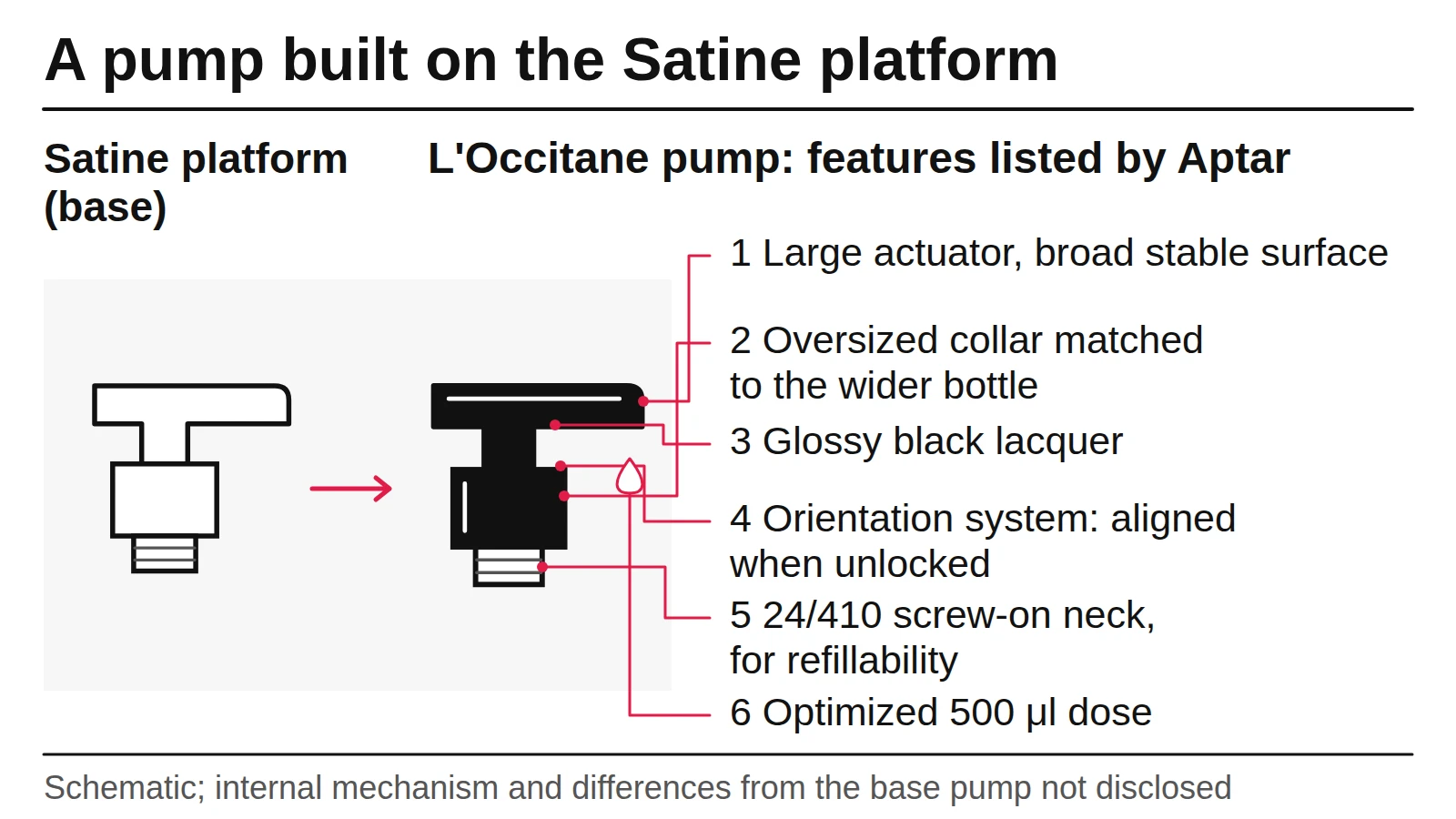
What Aptar announced about its custom pump for L'Occitane's refillable hand care range, what changed on the Satine platform, and what a designer can and cannot learn from it.

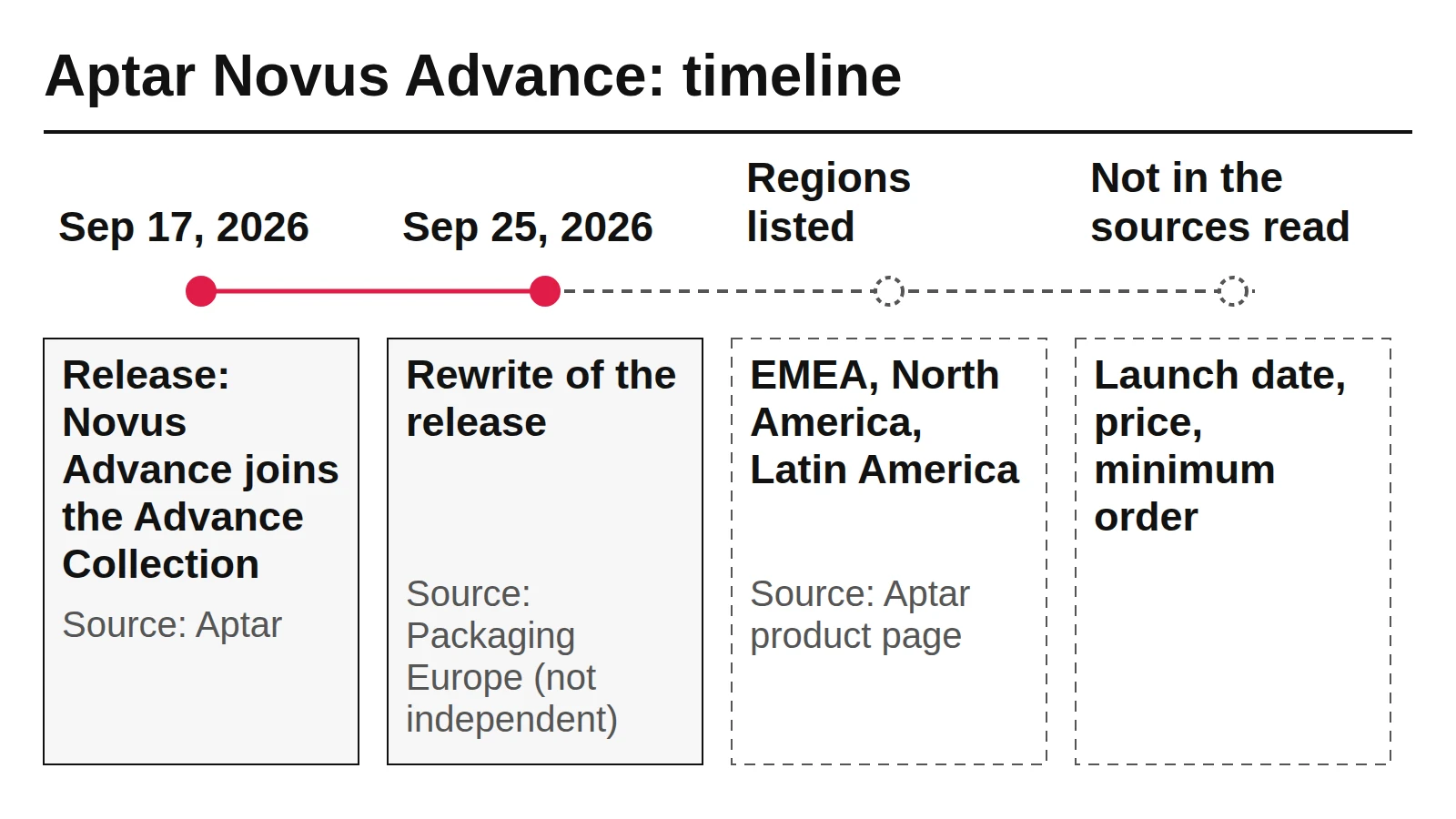
What Aptar announced about the Novus Advance full-polyolefin cosmetic pump, which claims carry conditions, what a designer can learn from it and what is still unconfirmed.

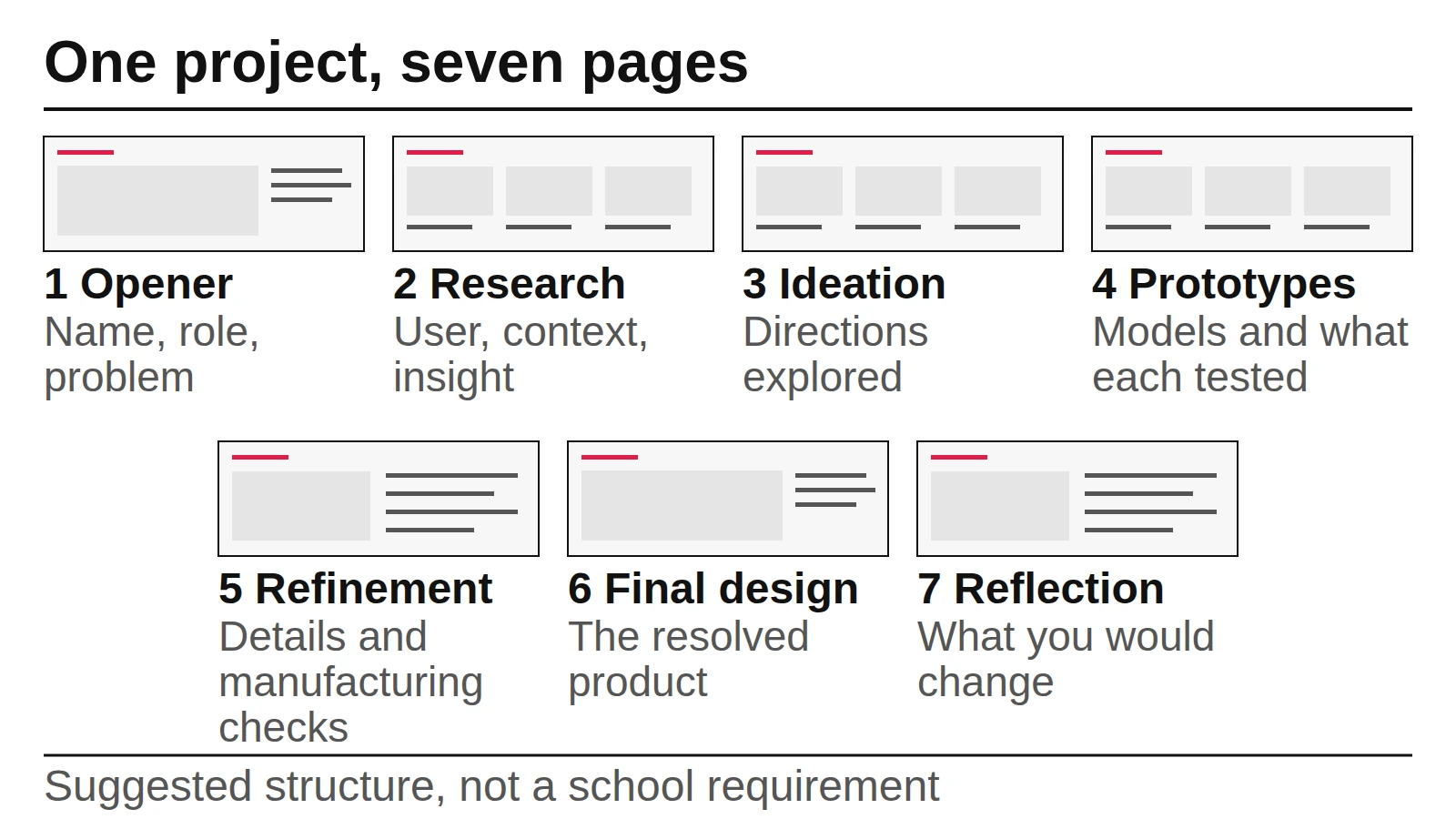
How to build an industrial design portfolio: what each project page needs, layout and cover page, school vs internship versions, official upload rules and a copyable page template.

Injection molding design rules with sourced values: wall thickness by plastic, rib and boss proportions, draft angles, corner radii, a molder's tolerance and a pre-drawing checklist.

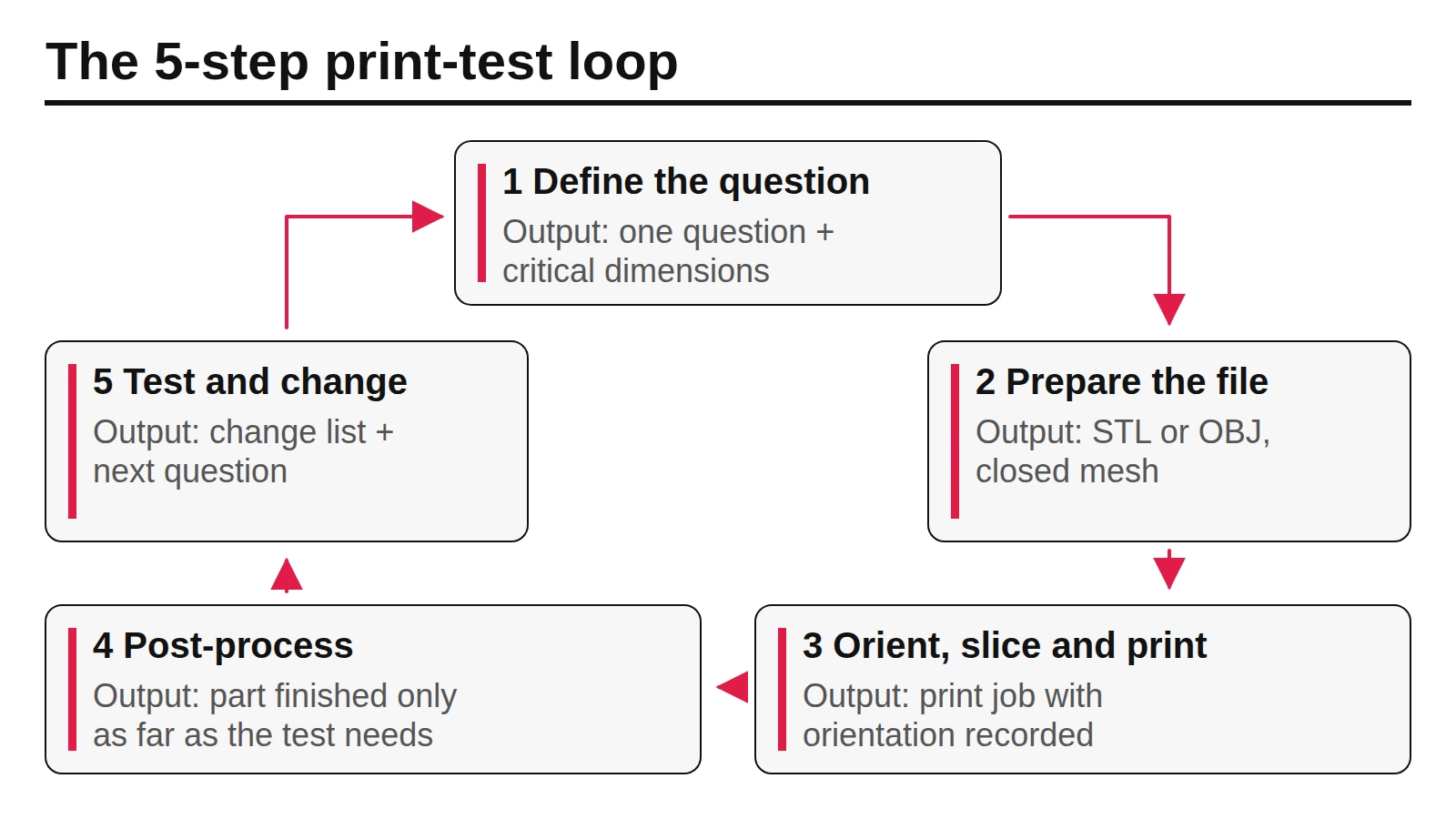
How to run a rapid prototyping loop with 3D printing: the five steps, how FDM, SLA and SLS compare for prototypes, which fidelity each stage needs, and what drives cost.