A finished-looking model can consume the funds needed to learn whether its interaction makes sense. Estimate prototype testing cost by defining the question first, then listing the samples, preparation, people, facilities and repeat work needed to answer it.
An unknown price is an open budget item, not a zero. This guide helps students and small hardware teams budget a formative learning session with a simple physical model. It includes a blank budget worksheet to download and a staged desk-object example. It supplies no market prices or assumed savings.
| Budget input | Where to obtain it | Decision it controls |
|---|---|---|
| Learning question and task | Written test plan | What work belongs in this round |
| Build identity and needed fidelity | Model record, sketch or drawing | Whether an existing model can answer the question |
| Quantities and booking units | Session schedule and resource list | How many pieces, hours or sessions to budget |
| Actual price and scope | Dated quote, published fee or confirmed internal rate | What the cash subtotal includes |
| Borrowed or donated resources | Named owner and confirmed availability | Whether the plan depends on unpurchased resources |
| Unresolved items | Assigned person and confirmation date | Whether the total is complete enough to approve |
Define what the test must let you decide
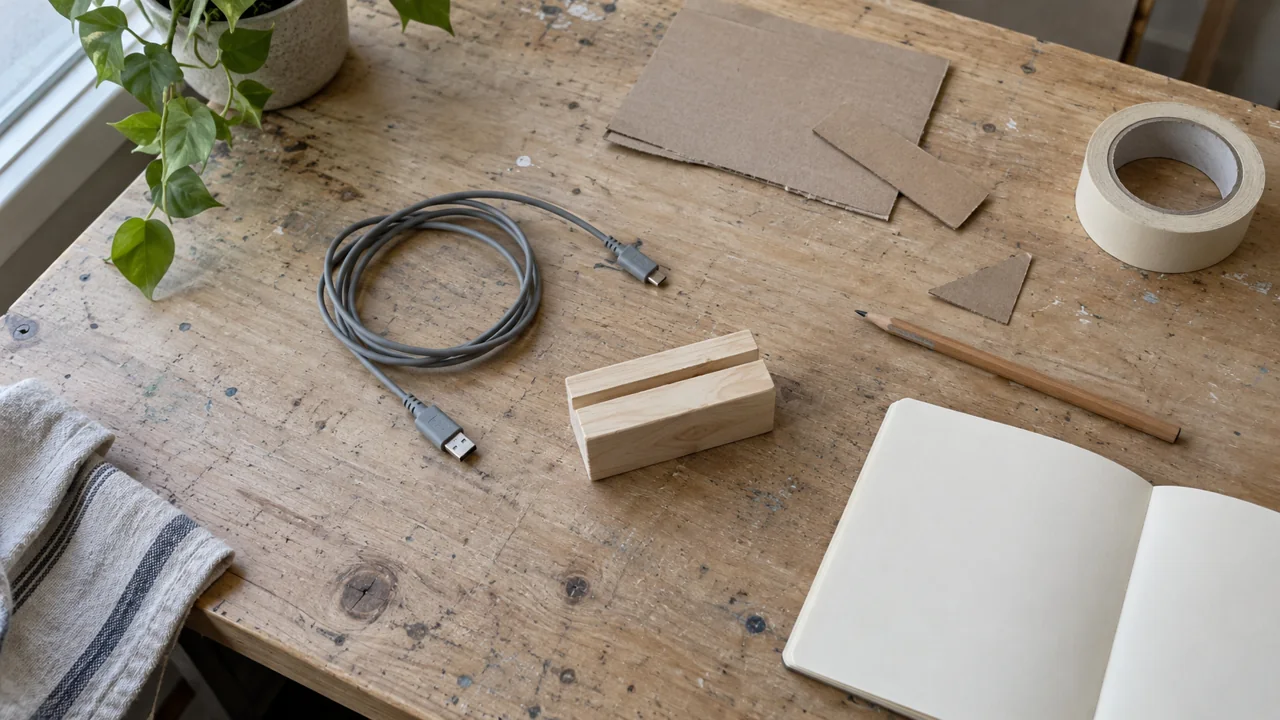
Write a sentence such as: “After this session, we should be able to decide whether the cable-holder’s placement cue needs another iteration.” Then identify the task, the model and the evidence you need. The physical prototype testing plan provides a session and observation worksheet for that preparation.
MIT’s Product Design and Development prototyping lecture, slides 28–29, connects the model choice to available inputs, material needs, quantity, timing and budget, then recommends targeting individual questions. Apply that principle before commissioning a more finished object.
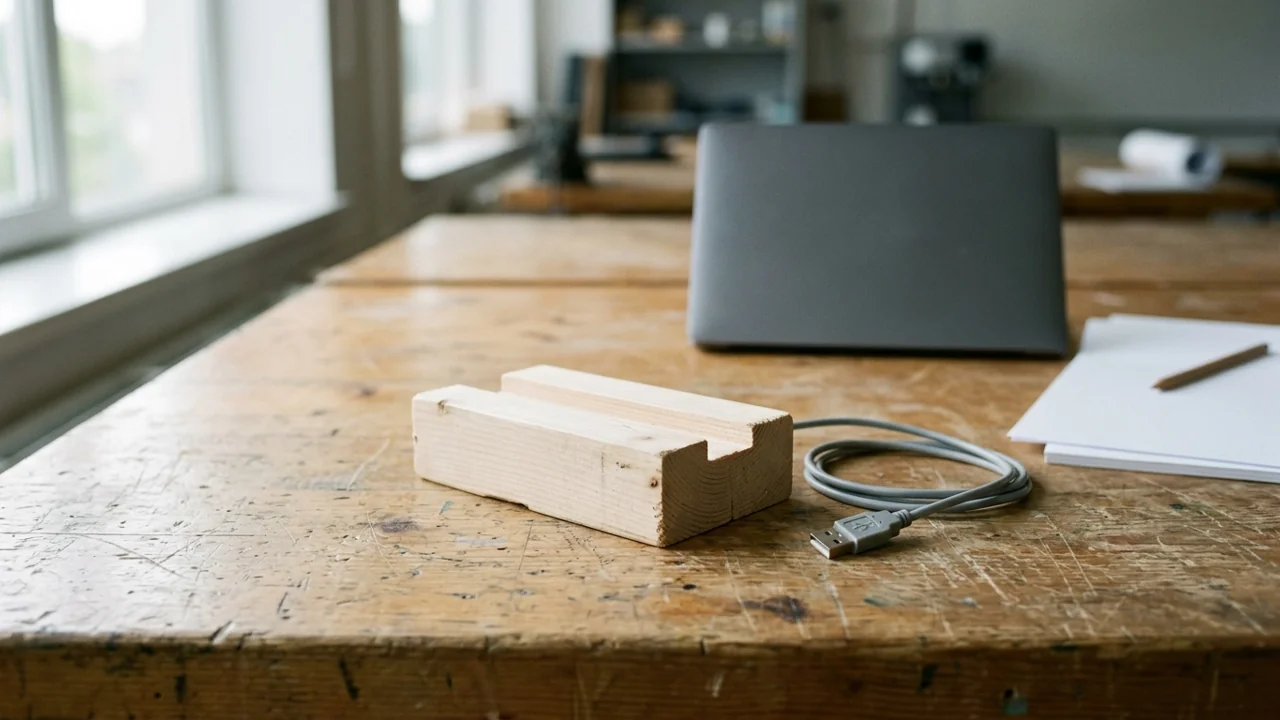
For an unpowered desk cable holder, a placement-and-retrieval question may be explored with an unfinished model. A question about the final material’s durability needs a different scope and suitable evidence. Do not cut the budget by removing a property that the chosen question depends on. If you still need to choose how to make the model, the rapid prototyping guide covers that earlier decision; its build costs are inputs to this session budget.
Record the decision boundary alongside the question. An interaction observation can guide a redesign; this worksheet does not establish product safety, certification, service life or production readiness.
Separate the model from the work of testing it
Buying or making the sample is only one line in the plan. NASA’s verification and validation plan outline, sections 5.2–5.4, distinguishes test articles, support equipment and facilities. Those categories are useful prompts for a small project too. The table below adapts them and adds session resources; it is an editorial budgeting aid, not a NASA requirement for student projects.
| Resource | What to identify before assigning a cost | Common omission to check |
|---|---|---|
| Sample or model | Build ID, relevant features, quantity, existing versus newly commissioned | Rebuilding a model that is already available, or omitting a necessary replacement |
| Fixture and preparation | Supports, setup work, assembly, rehearsal and reset | A borrowed tool still needs access, collection and return time |
| Consumables | Material used during setup and each session | Pack purchase quantity can differ from the amount used |
| Facilitation and records | Preparation, session, note-taking, file handling and review time | Counting only time with a participant |
| Recruitment and participation | Relevant participants, recruitment route, agreed incentives or expenses, access needs | Travel or access arrangements needed for the planned session |
| Space and equipment | Room, bench or equipment booking, permitted use and availability | Minimum booking unit, setup time or supervision conditions |
| Repeat work | Which build, task and resources would be repeated or changed | Charging reusable setup twice, or assuming a new round costs nothing |
For an existing shared model, label the scope clearly: “additional cash required for this test round” or “full project expenditure including the build.” Record the earlier build spend by reference when it is excluded. This prevents a session budget from being mistaken for the cost of developing the whole prototype.
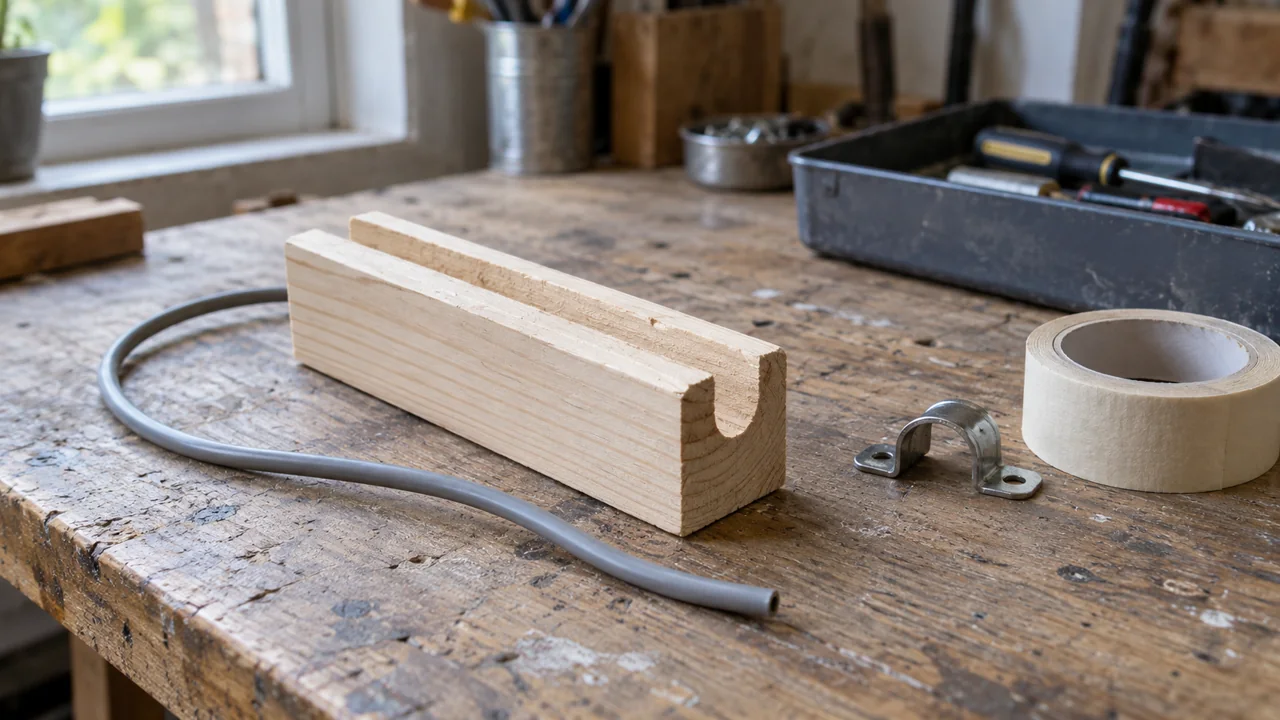
Before adding a fixture, ask whether it is part of the intended test arrangement. Holding the cable down could change a freely resting placement task. Budget the setup that the plan actually calls for, and document changes rather than treating every available tool as necessary.
Copy the budget and keep unknowns visible
Download the blank Markdown budget worksheet to edit or print. It contains the scope record, cost table, in-kind record and approval questions. The empty cells are intentional: fill them from your schedule and actual cost evidence.
Use one currency per total and write its code in the scope record. Duplicate a row when different units or rate sources apply. “Quantity” must use the same unit as “unit price”: hours with an hourly rate, pieces with a per-piece price, or bookings with a per-booking charge.
| Item / scope | Quantity + unit | Unit price + currency | Price source / date / inclusions | Cash subtotal | In-kind contribution + availability | Unknown / owner |
|---|---|---|---|---|---|---|
| Samples or allocated build work | ||||||
| Fixture / setup / rehearsal | ||||||
| Consumables / reset | ||||||
| Facilitation / note-taking / review | ||||||
| Recruitment / participant arrangements | ||||||
| Room / equipment / supervision | ||||||
| Delivery / tax / other applicable charges | ||||||
| Defined repeat work, separate round |
For each priced row, cash subtotal = payable quantity × confirmed unit price. Sum the included cash subtotals for the current round. Add separately identified fixed charges only if they are absent from those subtotals. A bundled fee belongs on a clearly described bundle row; leave its included activities out of other cash rows to avoid counting them twice.
No example dollar rate is needed to use this arithmetic. For a purchased pack, budget the number of packs you must buy; record the expected amount consumed in the scope notes. For a booking with a minimum charge, use the payable booking quantity, not just the time you expect to spend at the bench.
Keep these distinctions visible when reviewing the result:
- Confirmed cash subtotal: the sum of priced, included rows. Name any unresolved rows beside it; until they are resolved, it is a partial subtotal.
- In-kind resources: donated time, a borrowed room or equipment already owned. Record the resource and confirmed access separately. Enter zero additional cash only when that arrangement is confirmed; do not invent a cash value for the contribution.
- Optional next-round subtotal: work that will be authorised only after this round’s review. Keep it outside the current-round total.
- Reserve, if chosen: a separately approved allowance with a reason and owner. This guide sets no automatic contingency percentage.
An unconfirmed room loan remains a dependency even if it may eventually require no cash. If it falls through, obtain the alternative booking cost and revise the plan before treating the budget as affordable.
Stage a cable-holder test before funding the next model
The following is a fictional planning example, with no participant results, quoted prices or completed test. It uses the cable-holder task from the linked testing guide to show how scope affects a budget.
| Stage | Question or decision | Include in that scope | Defer or confirm |
|---|---|---|---|
| Essential first round | Can a likely user place and retrieve the loose cable with this model, and what remains unclear? | Identified unfinished model; planned desk and cable arrangement; relevant participant arrangements; facilitator, notes and review; access and consumables actually needed | Participant count and timing must be set in the plan. Actual costs remain blank until confirmed. |
| Conditional revision round | Does the first record justify investigating a revised placement cue? | Revised build only if justified; changed preparation; repeated session resources; a record of prior participant exposure | Confirm which existing items can be reused. Reprice changed work rather than copying the first total. |
| Separate later work | What evidence is needed for material durability or another product requirement? | A new question, relevant model and suitable test plan | No durability evidence or lab price is supplied here. Obtain appropriate expertise and scope before budgeting that work. |
MIT’s Filtration Lab design exercise asks learners to compare lower- and higher-budget paper designs using materials, costs and tradeoffs. The transferable lesson here is to compare what each scope can teach. Its filter activity does not supply prices or performance claims for this desk object.
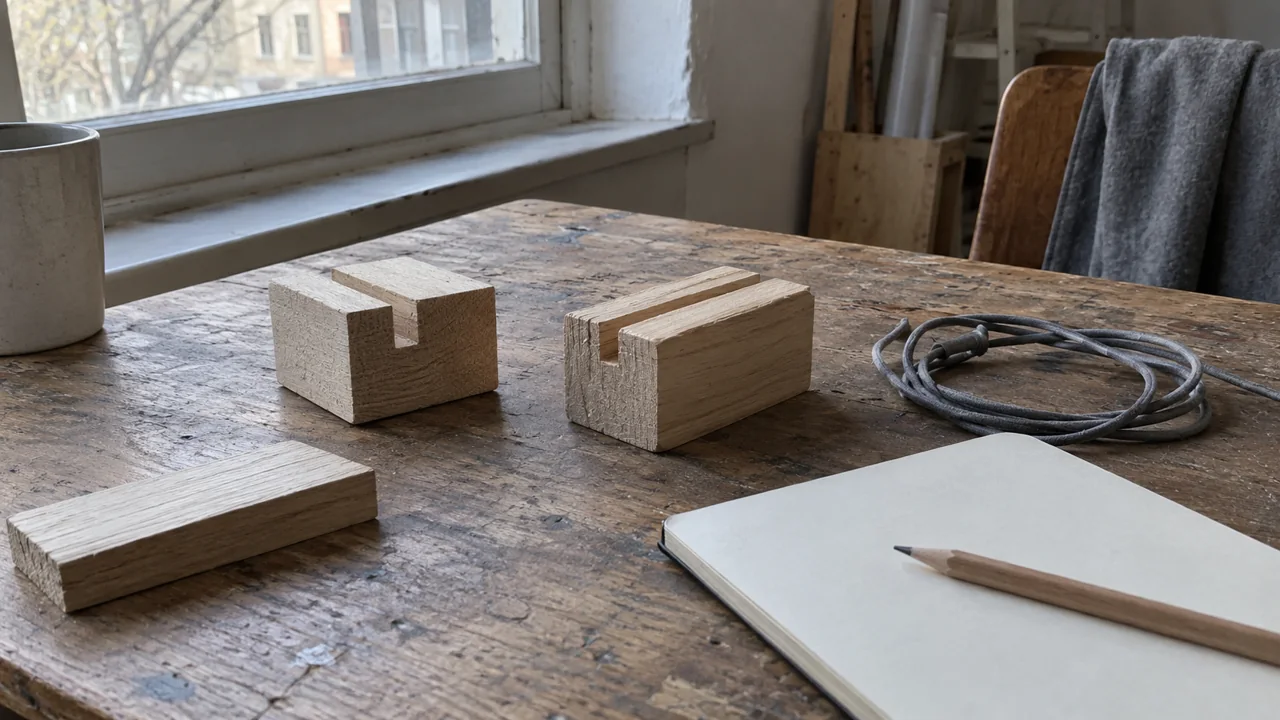
For the conditional revision round, ask which costs recur. A retained model or confirmed room loan may need no additional purchase; changed preparation, review time or fresh consumables still need entries. If the proposed comparison changes the desk, cord and instructions as well as the model, revise the test plan before assigning meaning to the comparison.
Compare costs only after matching the scope
If a team commissions outside work, attach the same learning question, build record and intended deliverables to each cost request. Use these questions to interpret the response; this site does not provide testing or quotation services.
| Ask the resource owner or service provider | Record in the worksheet |
|---|---|
| Which sample build, quantity and supplied files does this cover? | Build ID, quantity unit, preparation included and exclusions |
| Does setup include fixtures, rehearsal, reset and supervision? | One-time versus recurring work; who provides each item |
| What booking or billing unit applies? | Hour, session, piece, pack or fixed bundle; minimum payable amount if applicable |
| Who handles participants, access arrangements and records? | Responsibilities, agreed expenses, recording arrangements and review output |
| What will be delivered after the session? | Notes, files or report included; review work excluded |
| What changes for a cancelled booking or another iteration? | Actual cancellation terms, reusable items and separately priced repeat work |
| Are delivery and applicable taxes included, and how long is the price valid? | Currency, quote date, validity and excluded charges |
MIT’s D-Lab implementation guidance joins a materials-and-sourcing budget to fabrication planning, then uses testing and evaluation to inform the next iteration. Apply the same link between spending and the next decision here: a lower subtotal is useful only if the planned resources still support the question.
Before spending, mark each essential row as confirmed, unresolved or excluded with a reason. Proceed when the cash need and resource access are known and fit the funds available. Narrow the question if an essential input cannot be funded; defer the session if removing that input would make the observation unsuitable for the decision. Record who will resolve each unknown and when the budget will be reviewed again.
Method and limits
Prepared on 16 October 2026 from the primary educational and public-authority sources linked above, retrieved that day. The budget tables, cash/in-kind treatment, quote questions and staged cable-holder scenario are original editorial planning aids. MIT’s material guides scope and iterative learning; NASA’s outline informs resource categories. Neither source endorses this worksheet or sets its prices.
Actual rates, quantities, sample properties, recruitment needs and booking conditions must come from your project. No experiment was conducted for this article. This guide covers planning for low-risk formative physical-model learning; it provides neither production cost estimation nor compliance-laboratory, electrical, medical or hazardous-test procedures. Use the blank worksheet with your test plan, and leave unsupported entries blank.